Market Context and Protocol Developments
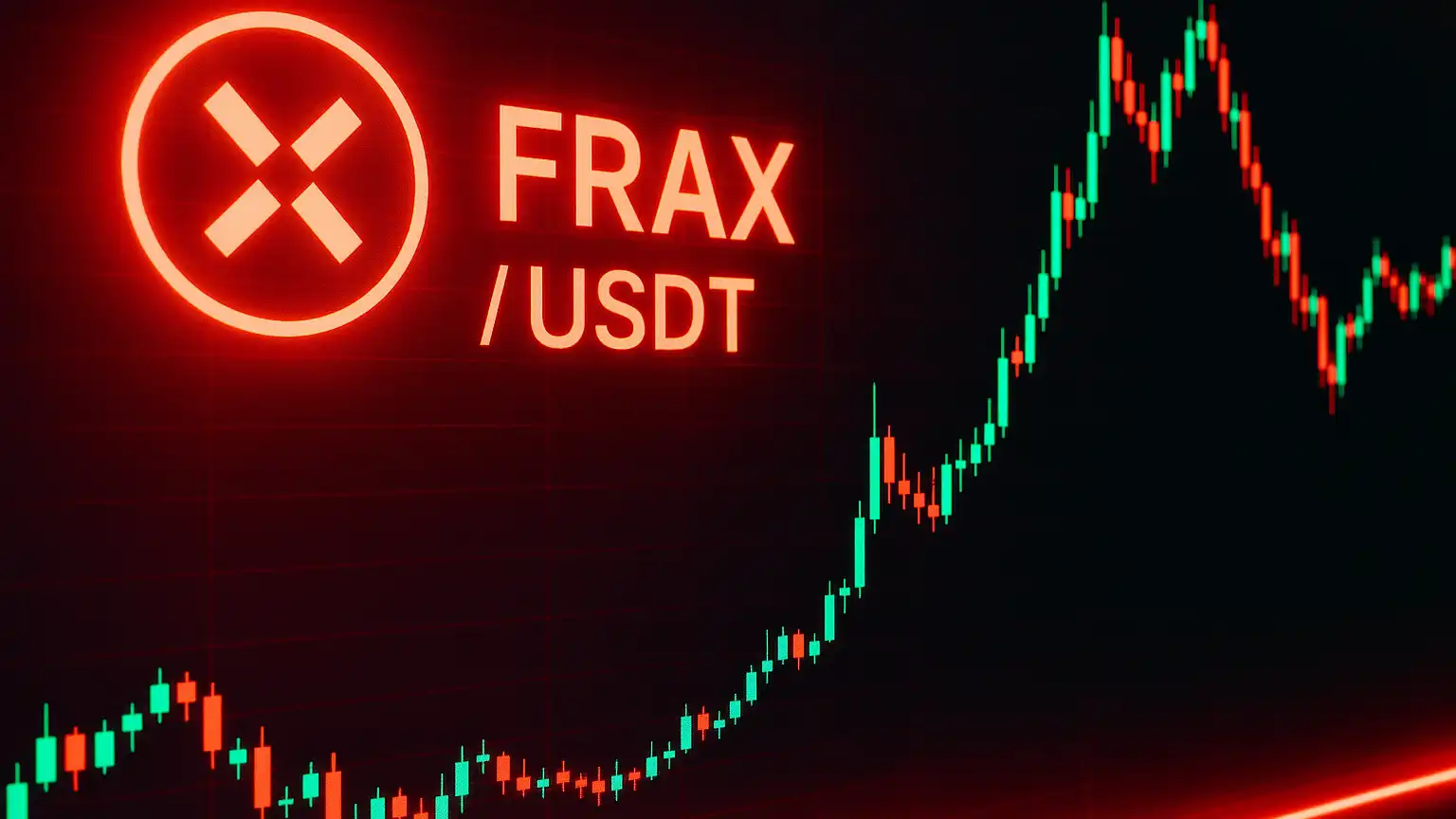
Legacy Frax Dollar (ticker: FRAX/USDT) is currently hovering around $0.9923, down about 0.21% over the past 24 hours. While this puts it just slightly below its intended $1.00 peg, we’re not looking at any kind of major collapse here—just some mild selling pressure. The dollar peg is naturally a sensitive area for any stablecoin, and right now the market seems to be testing whether FRAX can maintain its footing in this narrow range.
On the development front, Frax Finance has been going through some pretty significant changes that could shape FRAX’s future. The most important shift is the formal split between Legacy FRAX Dollar and the newer frxUSD stablecoin—each now has its own balance sheet and governance structure. The migration window that previously allowed easy movement between the two with certain guarantees is being phased out, which means each coin now needs to stand on its own merits. There’s also a big regulatory component here: frxUSD is being designed specifically to comply with upcoming U.S. stablecoin regulations, including the anticipated GENIUS and STABLE acts. Meanwhile, Legacy FRAX continues to operate under its original algorithmic market operations framework. What this basically means is that FRAX will likely keep its DeFi-focused characteristics, while frxUSD goes after institutional adoption and regulatory approval.
Technical Indicators & Price Action Analysis
Looking at FRAX’s recent price movements, we’re seeing consolidation just below the peg. Momentum indicators are showing a slight bearish lean—nothing dramatic, but the 24-hour decline suggests sellers are probing the lower support levels. Here’s what the key short-term metrics are telling us:
- Moving Averages (Short Term): The hourly and daily simple moving averages are bunched together right around the current price (roughly $0.9929), sitting just a hair above it. This basically screams neutral territory—we’re not seeing a clear breakout or breakdown. A push above these averages would be the first sign of bullish momentum building.
- RSI (14 & Multi‐Timeframe): RSI readings are sitting in neutral territory—somewhere in the 50–55 range on shorter timeframes. However, on longer timeframes, the RSI is dipping toward oversold levels (around 40–45). Historically, when FRAX hits oversold territory, we’ve seen brief upward corrections follow.
- MACD & Momentum Indicators: The MACD histogram is pretty flat right now, maybe slightly negative, but without any significant divergence or crossovers happening. This tells us there’s no strong directional momentum building in either direction. Volume has been moderate too—no major spikes that would indicate big institutional money moving in or out.
In such a tight trading range, support and resistance levels become absolutely critical:
- Support Zones: The main support sits around $0.9900 – $0.9920, which lines up with both the psychological peg area and previous consolidation levels. If that breaks, we’d probably see the next support around $0.9800.
- Resistance Zones: The biggest resistance is obviously the dollar peg itself—$1.0000 to $1.0050—which acts as both a technical barrier and the coin’s fundamental anchor point. If price manages to close above that convincingly, the next resistance level would be around $1.0200.
- Volatility & ATR: The average true range (ATR) is quite low right now, showing that price movement is compressed. This usually indicates a period of either accumulation or building tension rather than active trending—essentially, the calm before a potential move.
Price Scenarios & Short‐term Forecast
Base Case (Neutral to Slight Bearish)
If FRAX continues to trade below the peg without getting any meaningful volume boost or positive MACD crossover, we’re likely to see it drift down to test support around $0.9900. A clean break below that level could push it toward $0.9800, though it should stay within a relatively tight band given the stablecoin’s built-in stabilization mechanisms and the community’s quick response to any significant deviations.
Bullish Reversion Scenario
Here’s the optimistic case: if we see a bounce from the $0.9920 support zone paired with increasing volume and a positive MACD crossover, FRAX could challenge and potentially break through the $1.0000 peg. If that happens, the first resistance would show up around $1.0050–$1.0200. A sustained push through that range would flip sentiment to bullish and restore confidence in the peg despite all the protocol changes happening in the background.
Bearish Breakdown Scenario
In the worst case, if support breaks decisively with heavy selling volume or if regulatory concerns suddenly escalate, we could see price drop toward $0.9800 or potentially lower. That said, major breakdowns seem unlikely without some kind of external shock, considering Frax’s stabilization design and the DAO’s active management of risks and adverse events. The peg mechanisms and transparent financial backing should help prevent any catastrophic drops beyond minor fluctuations.
Risk Factors to Monitor: Keep an eye on regulatory developments, the liquidity of collateral backing FRAX, smart contract audits for frxUSD and related algorithmic market operations, cross-chain bridge security, overall crypto market sentiment (especially interest rates and U.S. dollar strength), and broader macroeconomic risks that could affect stablecoins across the board.