
Recent Developments and Fundamental Context
The SP500 tokenized ETF, known as xStock and trading as SPYX/USDT, is currently sitting at around $678.69, up 0.85% over the last 24 hours. About two weeks back, we saw prices hit all-time highs near $698.60, so we’re trading just below those peak levels right now. The market cap is hovering around $38 million USD with roughly $2.15 million changing hands daily. Today’s trading range has been between $681.40 and $696.50, which tells us there’s decent liquidity but also some significant volatility as we test those multi-day highs.
What makes SPYX interesting is that it’s evolving beyond just tracking the SPDR S&P 500 ETF. There’s been some exciting news lately—Falcon Finance launched a staking vault on Solana that lets KYC-verified users actually earn yield on their SPYX holdings. That’s a pretty big deal because it shifts this from being just a tracking instrument to something that generates returns. On top of that, the xPort tokenization engine just went live, which should make things easier for institutional players to get involved and potentially boost liquidity. From where I’m sitting, these developments look pretty bullish for demand.
Key Technical Indicators, Support & Resistance Zones, and Price Projection
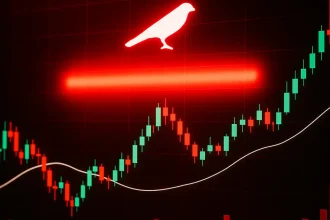
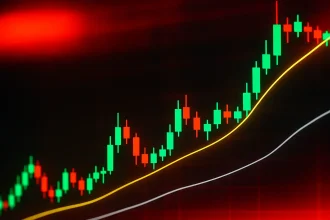
Looking at the charts—specifically SPY data since it moves hand-in-hand with SPYX—there are some clear technical levels worth watching:
Support Levels
- There’s solid support sitting between **$672-$680**. This lines up with recent lows around $678.50 and the lower Bollinger Band. If we break below this zone, we’d probably see a slide toward **$660-$665** as the next line of defense.
- Keep an eye on the **$668-$670** area too. The Chandelier Exit indicators have been holding the downside there during recent pullbacks.
Resistance Levels
- First hurdle is between **$686-$690**. This is where the 20- and 50-day moving averages are sitting, plus we’re seeing some Bollinger Band squeeze action. Push through this cleanly and we’ve got confirmation of bullish momentum.
- The big one is **$695-$700**, right around those recent all-time highs of $698.60. Historically, this is where people have taken profits. Break above here with conviction, and we could be looking at **$710-$720** if volume supports the move.
Indicator Signals and Trend Strength
- The RSI on the daily chart is sitting in neutral territory around 45-55. We’re not overbought, not oversold—just kind of middling right now.
- MACD is showing some mild bearish crossover in the short term, but nothing too dramatic. If we break resistance, this could flip pretty quickly.
- ATR is moderate, meaning we’re not seeing wild intraday swings at the moment. But this consolidation pattern often precedes bigger moves—either direction.
Price Prediction and Trading Scenarios
Putting the fundamentals together with what the charts are telling us, here’s how I see things potentially playing out:
Bullish Case
If buying pressure picks up—maybe from people chasing that staking yield—and we get a solid close above **$690** with good volume behind it, I’d expect a push toward **$700-$710** pretty quickly. In a really strong market, especially if risk appetite stays healthy, **$720-$730** isn’t out of the question. You’d see RSI climbing into overbought territory and MACD turning decisively bullish in this scenario.
Base/Sideways Case
More likely in the near term, we might just chop around between **$672-$685** for a while. Classic range-bound action where you’d probably want to buy near the bottom and sell near the top of the range. Volume would stay pretty muted, volatility compressed, until something forces a breakout one way or the other.
Bearish Case
If we break decisively below **$670** on heavy volume, things could get uncomfortable quickly. Next stop would probably be **$650-$660**. Below that, support gets thin and we might even test **$640** if the selling really accelerates. This scenario becomes more likely if we get broader market weakness or some negative macro headlines.
Strategic Implications for Investors
If you’re thinking long-term, the yield component from staking and the infrastructure improvements are legitimately interesting developments that could drive value beyond just price appreciation. That said, SPYX is still fundamentally tied to the S&P 500, which means you’re exposed to all the same macro headwinds—inflation worries, interest rate policy, geopolitical mess, you name it.
For traders, the play here is watching those breakout and breakdown levels closely. Set your stops just outside the key zones and wait for volume to confirm the move. If you want to play it safer, consider buying in tranches near support and taking some profits near resistance. That way you’re not trying to time the perfect entry or exit, just managing the volatility intelligently.