
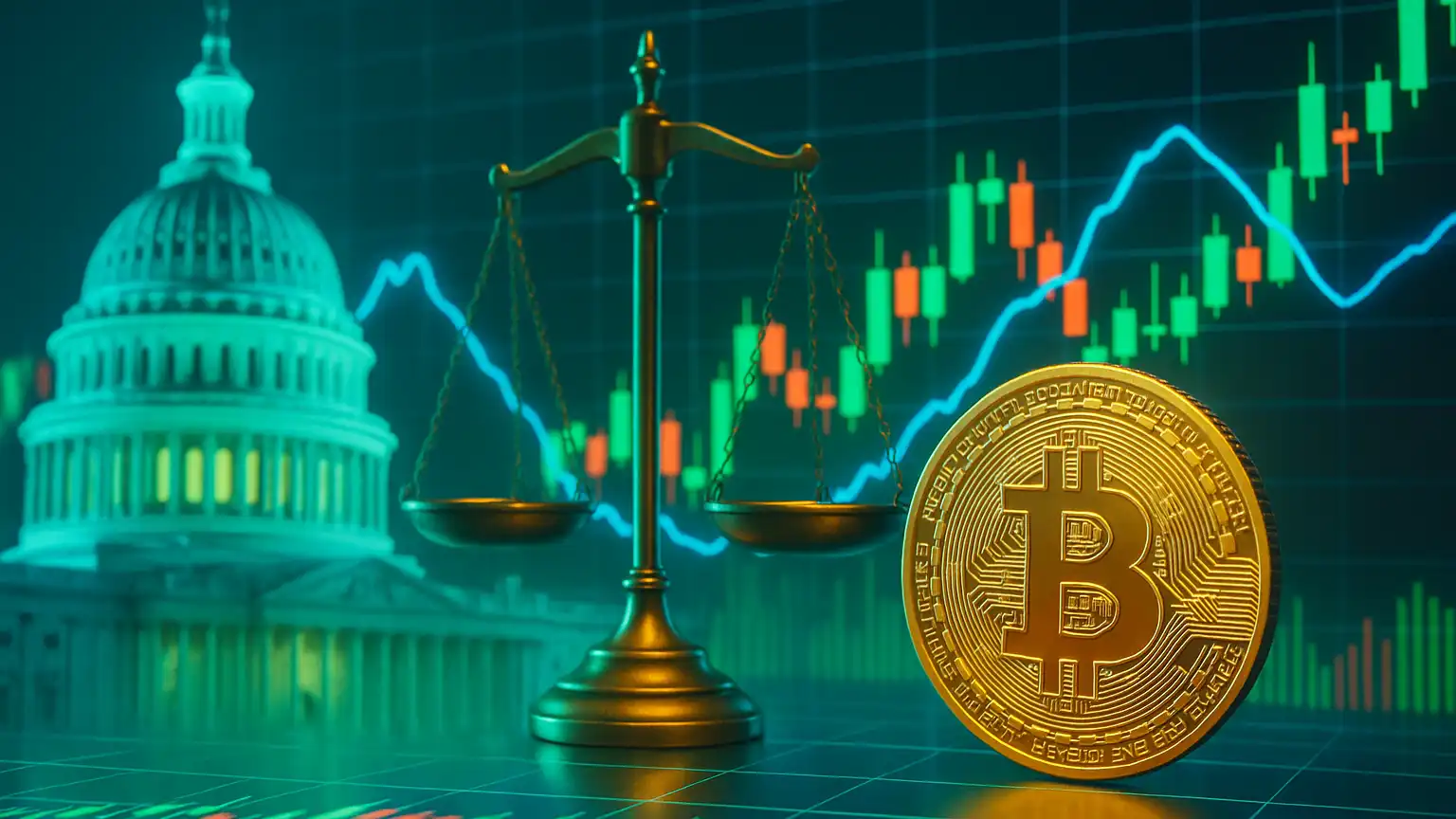
U.S. Legislative Efforts Face Setbacks
Recent attempts by the U.S. Congress to establish a regulatory framework for cryptocurrencies have encountered significant obstacles. A procedural vote intended to advance key bills, including those addressing stablecoin regulation and the classification of crypto tokens as commodities, failed due to bipartisan opposition. This impasse has introduced uncertainty into the market, affecting investor sentiment.
Stablecoin Regulation Stalls
The proposed legislation aimed to create a clear regulatory environment for stablecoins—digital assets pegged to traditional currencies. However, disagreements over the bill’s structure and content have delayed its progress, leaving the stablecoin market in a state of limbo.
Central Bank Digital Currency Debate
Another contentious issue is the potential issuance of a U.S. central bank digital currency (CBDC). While some lawmakers advocate for its development, others express concerns about government overreach and privacy implications. The current legislative deadlock reflects these divisions.
Market Reactions to Legislative Developments
The legislative gridlock has had a tangible impact on cryptocurrency markets, with notable fluctuations in major digital assets.
Bitcoin’s Volatile Performance
Bitcoin (BTC) recently achieved an all-time high of $123,000 but has since experienced a rapid decline, currently trading around $117,000. This volatility underscores the market’s sensitivity to regulatory news and investor sentiment.
Ethereum’s Resilience
In contrast, Ethereum (ETH) has demonstrated resilience, with its price surging by 5.27% to reach $3,142.05. This upward trend is attributed to strong institutional demand and the platform’s ongoing development initiatives.
Institutional Involvement and Market Dynamics
Institutional investors continue to play a pivotal role in shaping the cryptocurrency landscape, influencing both market trends and regulatory discussions.
BlackRock’s Bitcoin ETF Success
BlackRock’s iShares Bitcoin Trust (IBIT) has attracted substantial inflows, amassing over 662,500 BTC and highlighting the growing acceptance of digital assets among traditional financial institutions.
Ripple’s Banking License Pursuit
Ripple has applied for a U.S. national bank license, aiming to bridge the gap between traditional banking and the crypto industry. This move signifies a strategic effort to integrate digital assets into the mainstream financial system.
Global Perspectives on Cryptocurrency Regulation
While the U.S. grapples with regulatory challenges, other nations are making strides in defining their cryptocurrency policies.
Kazakhstan’s National Crypto Reserve
Kazakhstan is establishing a national cryptocurrency reserve, combining seized digital assets and state-mined coins. This initiative reflects the country’s proactive approach to integrating cryptocurrencies into its national financial strategy.
South Korea’s Shift to Stablecoins
South Korea’s central bank has paused its central bank digital currency (CBDC) project, opting instead to focus on private, won-backed stablecoins. This shift indicates a preference for leveraging existing digital asset frameworks over developing new government-issued currencies.
Bottom Line
The cryptocurrency market remains highly dynamic, influenced by legislative developments, institutional participation, and global regulatory trends. Investors should stay informed and exercise caution, as the landscape continues to evolve rapidly.