As we navigate through January 2026, the cryptocurrency market exhibits a complex interplay of cautious optimism and underlying volatility. This analysis delves into the current market sentiment, examining key indicators and recent developments to provide a comprehensive overview.
Current Market Indicators and Sentiment Shifts
The Crypto Fear & Greed Index, a pivotal gauge of market sentiment, has experienced notable fluctuations. On January 8, 2026, the index plummeted from 49 to 28, signaling a shift from neutral to deep ‘Fear’ territory. This abrupt change was influenced by Bitcoin’s decline below the $91,000 support level and a 5.18% drop in XRP, reflecting heightened market apprehension. ([thedigitalcommonwealth.com](https://www.thedigitalcommonwealth.com/posts/thedcwdailybrief-080126?utm_source=openai))
However, by January 14, the index rebounded to 47, entering ‘Neutral’ territory for the first time since October 2025. This recovery suggests a moderation of panic selling and a cautious return of investor confidence, potentially spurred by softer-than-expected inflation data and anticipations of a short-term market rally. ([thedigitalcommonwealth.com](https://www.thedigitalcommonwealth.com/posts/thedcwdailybrief-140126?utm_source=openai))
Bitcoin’s Performance and Institutional Influence
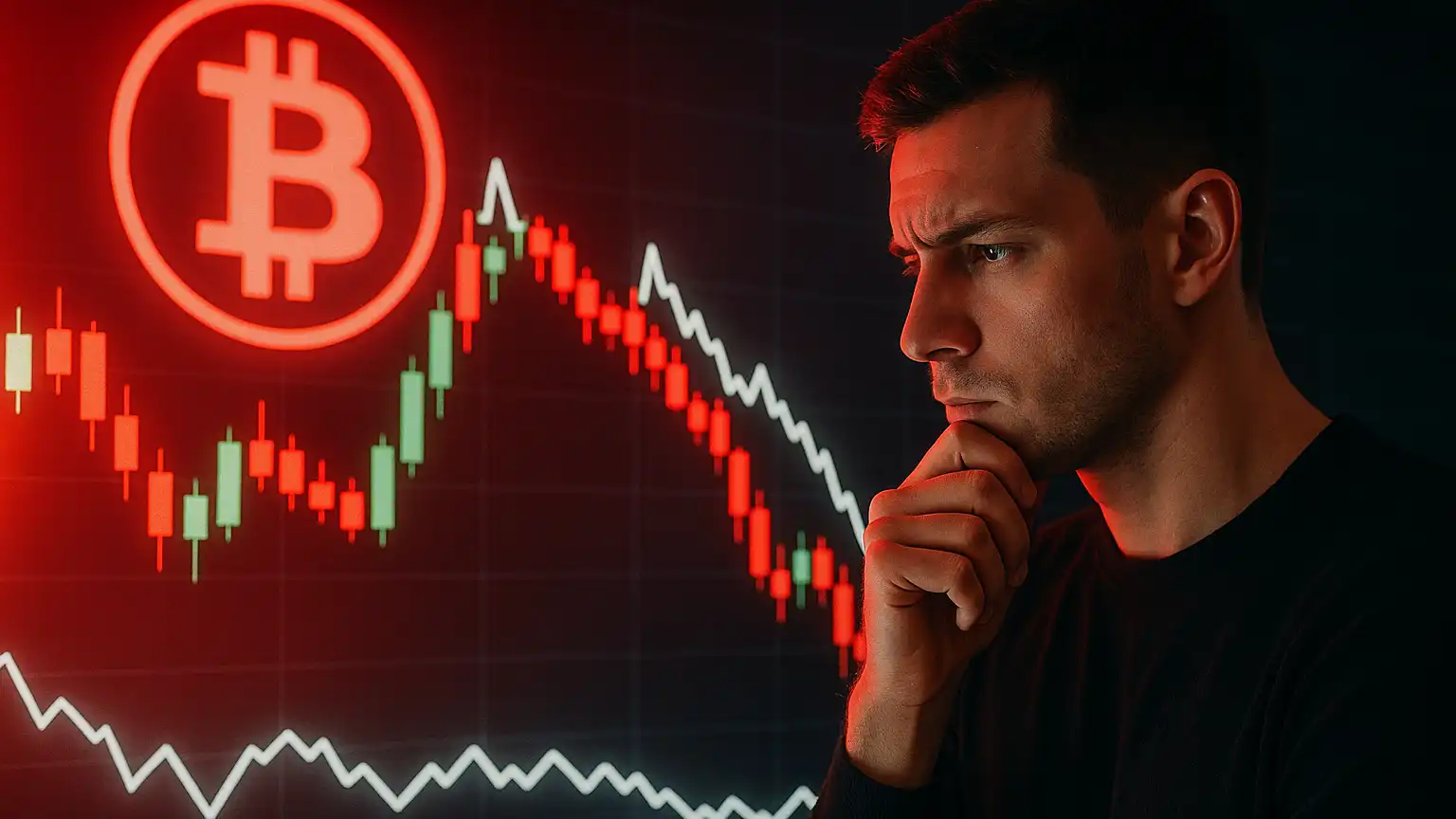
Bitcoin’s trajectory has been a focal point in recent market analyses. After reaching a peak of $109,000 on January 9, 2026, the cryptocurrency experienced a downturn, trading at approximately $91,150 by mid-January. This decline of nearly 10% over 30 days has led to a more cautious outlook among investors. Analysts attribute this correction to broader risk-off sentiments in financial markets rather than crypto-specific factors. ([coinmarketcap.com](https://coinmarketcap.com/academy/article/bitcoin-rally-unlikely-in-january-2026-says-21shares?utm_source=openai))
Institutional investors continue to play a significant role in shaping Bitcoin’s market dynamics. While early January typically sees renewed inflows into Bitcoin ETFs as investors adjust portfolios, 2026 has deviated from this pattern, with fund flows turning negative. This trend indicates subdued market activity and a more cautious stance among institutional players. ([linkedin.com](https://www.linkedin.com/posts/alberto-barbagallo-56808721_crypto-market-overview-january-2026-executive-activity-7414358619627974656-onww?utm_source=openai))
Altcoin Market Dynamics and Emerging Trends
Altcoins have exhibited varied performances, contributing to the nuanced market sentiment. Ethereum, for instance, recorded a 3.7% gain over the past week, driven by growing interest in staking and yield-focused products. The upcoming Fusaka and Hegota upgrades are anticipated to enhance scalability and efficiency, potentially bolstering Ethereum’s price. ([cryptonewsz.com](https://www.cryptonewsz.com/crypto-sentiment-flips-green-in-2026-altcoins/?utm_source=openai))
XRP stood out with a 13.9% gain, making it one of the strongest performers among major cryptocurrencies. This surge is linked to the January escrow unlock, a scheduled event that traders monitor closely due to its potential impact on supply and sentiment. ([cryptonewsz.com](https://www.cryptonewsz.com/crypto-sentiment-flips-green-in-2026-altcoins/?utm_source=openai))
Additionally, the meme coin sector has seen a resurgence, with Dogecoin experiencing a 13.1% weekly increase. The leveraged Dogecoin ETF has been among the top-performing ETFs at the start of 2026, indicating renewed interest in high-risk assets among retail traders. ([cryptonewsz.com](https://www.cryptonewsz.com/crypto-sentiment-flips-green-in-2026-altcoins/?utm_source=openai))
Conclusion
The early weeks of 2026 reveal a cryptocurrency market in flux, characterized by a delicate balance between cautious optimism and residual volatility. While indicators like the Fear & Greed Index suggest a moderation of fear, the market remains sensitive to broader economic factors and institutional behaviors. Investors are advised to stay informed and exercise prudence, as the landscape continues to evolve in response to both internal developments and external macroeconomic conditions.