
## Current Market & News Context
Anchored Coins AEUR is a euro-pegged stablecoin issued by Anchored Coins in Switzerland. Right now, it’s trading above the euro peg—hovering around **$1.13–$1.16 USD**, which means there’s a premium over the standard €1.00 value. This premium seems to be fueled by limited liquidity and some speculative interest. While this shows people want to buy it, there’s always the flip side: a premium like this can snap back if confidence wavers or if the market corrects.
Things got messy for AEUR when **FlowBank collapsed**. Some of the stablecoin’s backing was tied up with that bank, which naturally spooked holders about whether they’d actually be able to redeem their coins if things went south. That headline risk hasn’t completely faded, and it’s something anyone holding AEUR needs to keep in mind.
On the plus side, AEUR operates under Swiss regulatory oversight—FINMA supervision and VQF membership—which gives it more credibility than a lot of other stablecoins floating around. Looking ahead, the EU’s MiCA regulations are going to tighten the screws on stablecoin reserves, auditing, and investor protections. Sure, that means higher costs for operators, but it could also build trust among bigger institutional players who need to know the backing is solid.
## Technical Analysis: Indicators & Momentum
Let’s dig into what the charts are telling us right now:
• The **4-hour RSI** is sitting at roughly 49—basically dead neutral. We’re not overbought, we’re not oversold. It’s a calm zone.
• Looking at the **MACD on the 4-hour timeframe**, the MACD line is just slightly above its signal line, with a positive histogram. That suggests we’ve got a hint of bullish momentum in the short term, but nothing explosive.
• **Moving averages** paint a somewhat encouraging picture. Both the 50-day and 200-day SMAs are trending upward, and the price is trading above both of them. That’s typically a bullish setup. The 50-day SMA is acting like a safety net just below the current price, while the 200-day provides an even stronger floor if things drop.
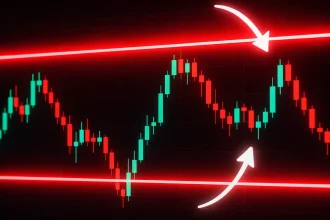
• For day traders, the **pivot levels** show resistance clustering around **$1.1472 to $1.1505**, with the pivot itself at **$1.1427**. Support levels stretch down to **$1.1394–$1.1316**. These are the zones where you’ll likely see action heat up or cool off.
### Short-Term Price Behavior (Next 7–30 Days)
The price recently dipped by about **-0.1005 USDT** in 24 hours, which translates to roughly an 8.7% drop in standardized terms. With the RSI neutral and a small bearish nudge, there’s a decent chance we see a pullback toward those pivot and support zones. If the price slides, watch for a potential bounce around **$1.135–$1.140**, where that 50-day SMA should step in.
If buyers regain confidence, the first hurdle is tight resistance at **$1.146–$1.150**. Break above that with solid volume, and a push toward **$1.160** becomes realistic. But if that resistance holds firm, expect more sideways movement or a gentle drift lower.
## Price Predictions & Scenarios: Mid- & Long-Term
Forecasting AEUR isn’t as simple as drawing a trendline—there are multiple paths depending on how things unfold over the next few months and years:
- Base Case (6-12 months): If confidence in the reserves holds steady, regulations clarify without crushing the project, and liquidity improves even a little, AEUR should stabilize somewhere in the **$1.14–$1.20** range. If demand picks up—maybe euro-backed stablecoins become more popular—we could see a push toward **$1.25**.
- Bull Case (2025-2026): Imagine everything goes right: audits come back clean, institutions start adopting AEUR, and it gets integrated into more DeFi platforms. In that world, AEUR could climb to **$1.45–$1.50 USD** by 2026. This assumes the premium over the euro peg stays intact and people are willing to pay extra for the euro backing. Some forecasts out there suggest figures as high as $1.48 by 2030, with 2026 showing more modest but still upward momentum.
- Bearing/Regulatory Risk Case: Now, if trust erodes—whether from unresolved FlowBank fallout or harsh new regulations—that premium could evaporate fast. In a worst-case scenario, AEUR might drop to or below the euro peg in USD terms, landing somewhere around **$1.00–$1.05**. If redemption confidence really cracks, it could go lower.
- Long-Term (3-5 years): If adoption scales up and AEUR benefits from network effects among euro stablecoins, some forecasts get really optimistic—talking **$2.00–$3.00+** under highly bullish conditions. But reaching that level would require a lot of things to go right: full euro parity maintained, strong partnerships, maybe even yield or staking features. It’s possible, but far from guaranteed.
### Key Levels to Watch
Whether you’re trading or just holding, keep your eyes on these technical levels:
• **Support Zones:** **$1.135–$1.140** in the short term, with stronger support at **$1.130–$1.1316** if the first level breaks.
• **Resistance Zones:** First resistance sits at **$1.146–$1.1505**, with a psychological barrier and further resistance at **$1.160**.
• Don’t ignore the **moving averages**—the 50-day around $1.13–$1.14 and the 200-day below that. If price breaks below these, it’s a warning sign the uptrend might be weakening.
Momentum and bigger-picture factors—like demand for euro exposure, stablecoin regulations, and liquidity shifts—are going to matter just as much as pure technical signals.
## Model Limitations & Risk Signals
Here’s the thing: AEUR is supposed to track the euro, so its USD price isn’t just about crypto market vibes. It’s also influenced by currency flows, arbitrage opportunities, and how liquid the market is. With thin trading volumes, moves above or below the peg can get exaggerated pretty easily.
And let’s not forget the collateral risks. The FlowBank situation proved that confidence in AEUR’s backing is fragile. Any news about reserve problems or regulatory hiccups could trigger a quick correction. Right now, the technicals are neutral-to-mildly-bullish, but they’re not screaming “big breakout ahead” unless we get some positive news or increased adoption.
## Probabilistic Price Estimate as of Mid-2025
Putting it all together, here’s a rough probability breakdown for where AEUR’s USD price might land by mid-2025, assuming no major crises or regulatory disasters:
| Probability | Estimated Price Range |
|---|---|
| High (30%) | $1.45 – $1.60 |
| Moderate (50%) | $1.20 – $1.40 |
| Low (20%) | $1.00 – $1.15 |
## Final Insight
AEUR sits in an interesting spot. Technically, it’s showing signs of stability with a touch of bullish momentum. But underneath, there are real risks—reserve exposure from the FlowBank mess, liquidity constraints, and regulatory uncertainty—that could cap any rally.
The value proposition is solid: a euro-pegged stable asset backed by Swiss regulation. But unless confidence gets reinforced through transparent audits, clear reserve backing, and institutional adoption, major upside remains a big “if.” For now, traders should watch that **$1.13–$1.15 resistance zone**, keep an eye on the moving average supports, and stay alert for any news on collateral or regulations. Those factors will ultimately decide whether AEUR consolidates, corrects, or accelerates.