Market Onset & News Landscape
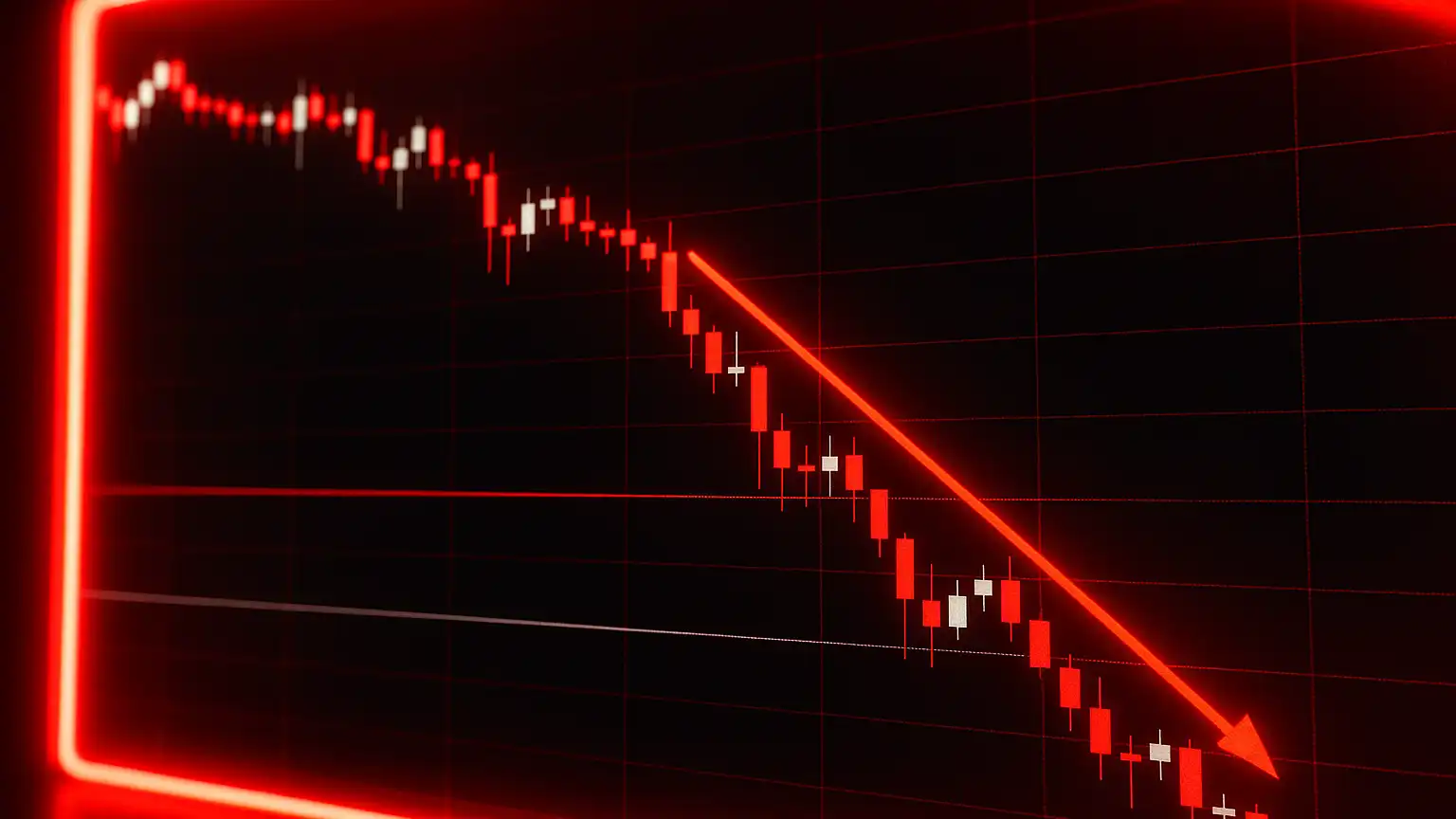
STABLE has been taking a beating lately in its pairing with USDT, dropping more than 10% over the last day and now hovering around 0.01737 USDT. What makes this pullback particularly painful is that the token was riding high at roughly 0.03844 USDT just days earlier—an all-time peak that’s now feeling like a distant memory. The swift reversal has traders scratching their heads and reassessing their positions. Meanwhile, the stablecoin world at large is dealing with increased regulatory heat, especially stateside where new legislation is tightening the screws on reserve requirements and transparency standards for issuers. STABLE hasn’t been swept up in the heaviest regulatory crosshairs yet, but its positioning—building out “Stablechain,” a supposedly gas-free blockchain using USDT as native gas—puts it right in the middle of an increasingly complicated regulatory and innovation landscape.
Technical Indicator Analysis & Price Drivers
The nosedive from recent highs screams correction. When you dig into the technicals, things look pretty oversold right now. The Relative Strength Index has probably dipped well under 30, Williams %R is likely languishing somewhere between −80 and −100, and the Stochastic Oscillator is flashing continued downward momentum. These kinds of readings often come right before short-term bounce attempts, but any meaningful recovery is going to need serious buying pressure behind it.
Keep your eyes on support around the psychologically important 0.01500 USDT mark, with a deeper safety net near 0.01000 USDT—areas that previously saw some congestion. On the upside, resistance is probably sitting in the 0.02500 to 0.03000 USDT zone, where sellers may be waiting to unload. The moving averages—think 50-day and 200-day timeframes—are likely pointing downward, which only adds fuel to the bearish fire until something fundamentally changes to flip the script.
Volume tells an important story here. Without real accumulation showing up, any little bounces could easily get trapped in a descending channel or bear flag formation. If current support gives way, we might be looking at price targets down around 0.00800–0.01000 USDT. Flip the coin though—if STABLE manages to break above that descending trendline with strong volume backing it, there’s a path back toward 0.03000 in a more sustained recovery scenario.
Short-Term vs Medium-Term Scenarios
Short-Term Bear Case: If sellers keep piling on—maybe triggered by broader USD volatility or fresh regulatory worries—that 0.01500 support level could crumble, sending the price down toward the 0.01000 psychological floor. Momentum indicators might show some temporary relief at those depths, but any real turnaround would need more than just oversold readings.
Medium-Term Bull Case: The optimistic scenario hinges on a few things lining up nicely. Better regulatory clarity, STABLE actually delivering on its promises around native gas and fee-free transactions, or just a general crypto market recovery could all help. If that happens and the price manages to punch through resistance between 0.02500–0.03000, then reclaiming those key moving averages would set the stage for a push toward 0.04000–0.05000 territory.
Strategic Implications for Investors and Traders
For the day traders and swing traders out there, the 0.02000 USDT level might offer some interesting bounce setups, but you’d better keep those stop losses tight given how choppy things have been. If you’re thinking longer term, it probably makes sense to wait for some consolidation—price holding steady above 0.01500 or clear signs that accumulation is underway—before committing capital. A breakdown below 0.01000 would be serious trouble, opening the door to much steeper losses.
Given the regulatory climate, STABLE really needs to keep its house in order when it comes to transparency and reserve management. Any hiccups—failed audits, regulatory misinterpretations, or broader instability in stablecoin regulations—could hammer sentiment and valuation in a hurry.