As of March 18, 2026, the cryptocurrency market continues to exhibit dynamic movements, influenced by technological advancements, regulatory developments, and macroeconomic factors. This analysis delves into the current price trajectories and future outlooks for Bitcoin (BTC), Ethereum (ETH), Solana (SOL), and XRP, providing investors with a comprehensive understanding of potential market directions.
Bitcoin: Navigating Market Volatility
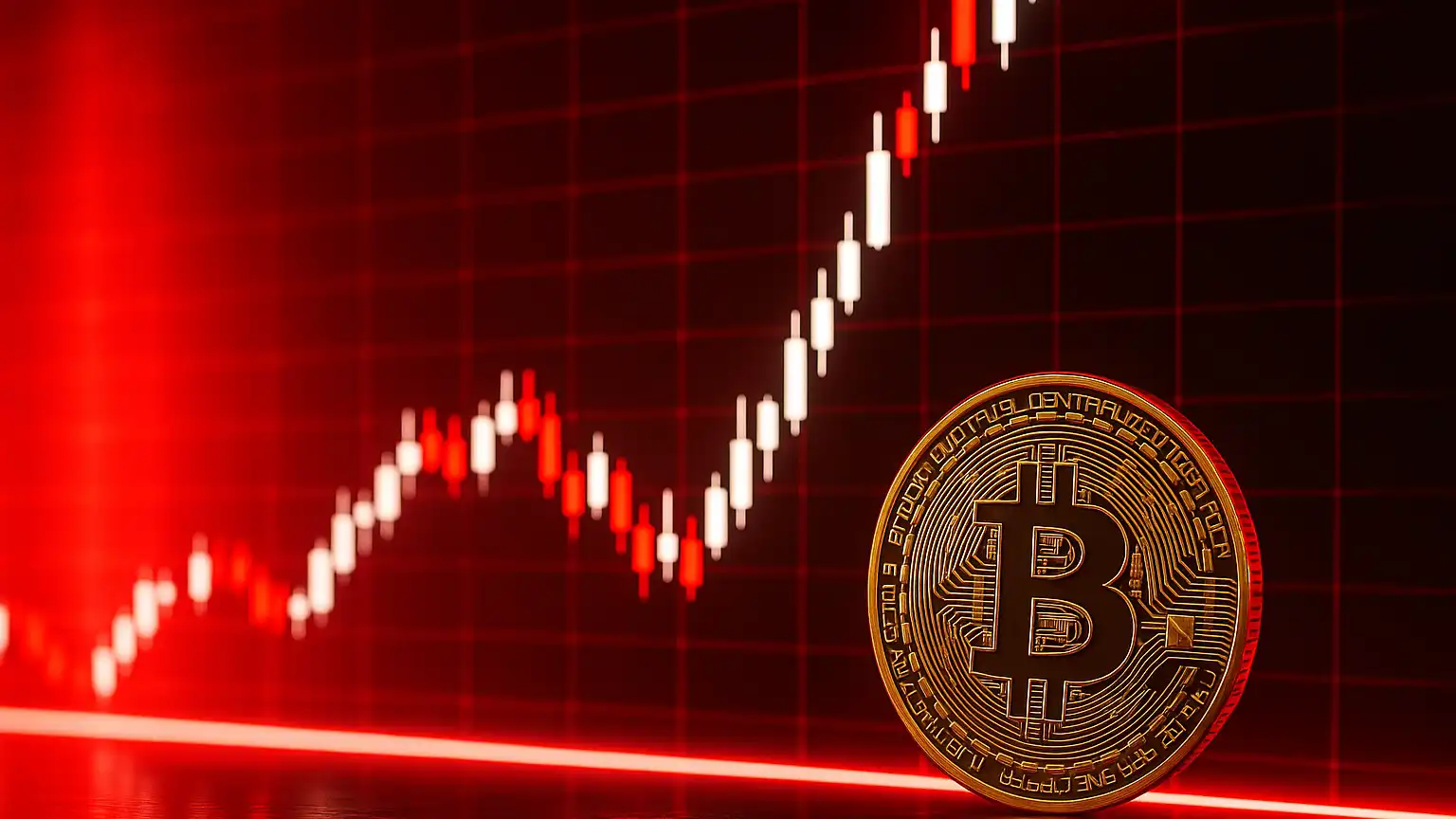
Bitcoin, the pioneer cryptocurrency, is currently trading at approximately $73,890, reflecting a slight decrease of 0.55% from the previous close. The intraday high reached $74,837, with a low of $73,508. Despite recent fluctuations, Bitcoin’s resilience remains evident, bolstered by increasing institutional adoption and its status as a digital store of value.
Analysts project that Bitcoin could reach $135,000 by the first quarter of 2026, contingent upon favorable macroeconomic conditions and sustained institutional interest. Factors such as potential Federal Reserve rate cuts and the growing acceptance of Bitcoin ETFs are expected to contribute to this bullish scenario. However, investors should remain cautious of regulatory uncertainties and market volatility that could impact this trajectory.
Ethereum: Scaling New Heights
Ethereum is currently trading at $2,317.95, experiencing a minor decline of 0.49% from the previous close. The intraday high was $2,355.45, with a low of $2,306.94. Ethereum’s position as the leading smart contract platform continues to attract significant attention, particularly with the expansion of decentralized finance (DeFi) applications and the tokenization of real-world assets.
Price predictions for Ethereum by the end of 2026 vary, with conservative estimates placing it between $4,500 and $7,000, while more optimistic forecasts suggest a potential rise to $11,000. These projections are underpinned by anticipated network upgrades aimed at improving scalability and efficiency, as well as increasing institutional investment through Ethereum-based ETFs. Nonetheless, challenges such as competition from emerging platforms and regulatory developments could influence these outcomes.
Solana: Balancing Growth and Stability
Solana is trading at $94.11, marking a slight decrease of 0.28% from the previous close. The intraday high reached $95.55, with a low of $93.28. Known for its high throughput and low transaction costs, Solana has emerged as a formidable competitor in the blockchain space, attracting both developers and institutional investors.
Analysts predict that Solana could achieve a price range of $195 to over $325 by the end of 2026, driven by factors such as successful network upgrades and increasing institutional adoption. The recent approval of the Alpenglow upgrade, which aims to reduce finality times to 100-150 milliseconds, exemplifies Solana’s commitment to enhancing its network performance. However, technical challenges and competition from other Layer-1 blockchains may pose risks to this growth trajectory.
XRP: Regulatory Clarity and Market Dynamics
XRP is currently trading at $1.52, experiencing a decline of 0.65% from the previous close. The intraday high was $1.54, with a low of $1.50. XRP’s market performance has been significantly influenced by regulatory developments, particularly the resolution of its legal challenges with the SEC, which has restored investor confidence.
Market participants estimate a 47% chance that XRP’s price will rise above $3 by the end of 2026, with a 23% probability of exceeding $4. These projections are supported by factors such as the launch of the RLUSD stablecoin, which enhances XRP’s institutional appeal and liquidity, and the potential approval of XRP ETFs. However, ongoing regulatory uncertainties in various jurisdictions and competition from other payment-focused cryptocurrencies could impact these forecasts.
Conclusion
The cryptocurrency market in March 2026 presents a complex landscape, with each major asset exhibiting unique strengths and facing distinct challenges. Bitcoin’s potential for significant appreciation hinges on macroeconomic factors and institutional adoption. Ethereum’s growth prospects are tied to network upgrades and its dominance in the DeFi space. Solana’s trajectory depends on its ability to maintain network stability and attract further institutional interest. XRP’s future is closely linked to regulatory developments and its capacity to expand its use cases. Investors should conduct thorough research and consider both the opportunities and risks associated with each cryptocurrency to make informed decisions in this evolving market.