Market Sentiment & Recent Developments
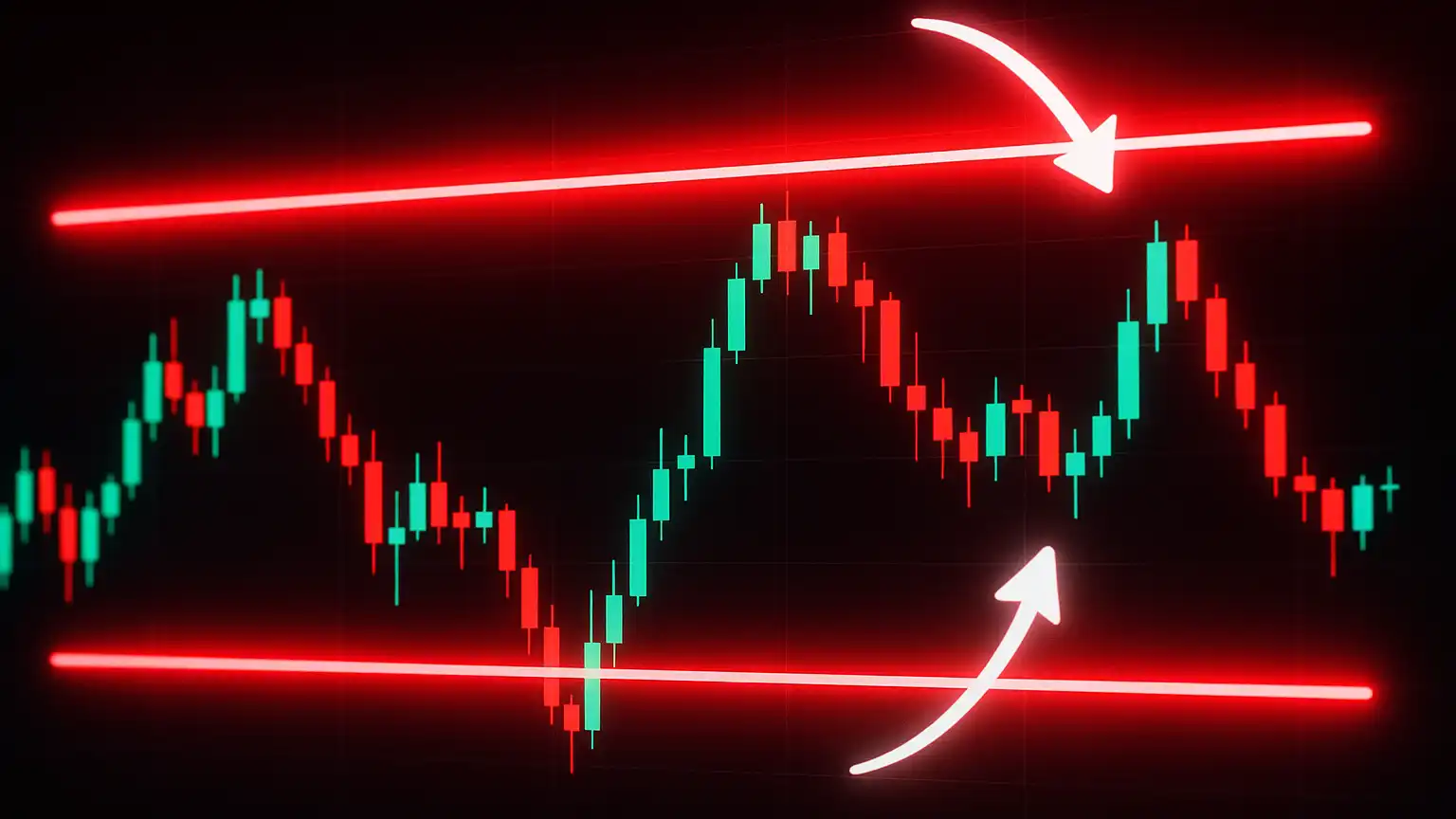
Right now, SLT is trading at around $11.9963, down roughly 4.09% over the past 24 hours. While that might sound concerning, the bigger picture shows the token is actually hovering near some important short-term support areas. We’re seeing resistance clustered between $12.15 and $12.44, with support sitting anywhere from $11.85 down to $11.56. What’s interesting is that SLT has recently tested these lower support zones but hasn’t really broken through them convincingly.
On the news front, SLT got listed for spot trading on Toobit back on February 10, 2026. This is actually a pretty big deal because it opens up more exchange access and could bring in additional liquidity—something that might help push through those stubborn resistance levels. It’s all part of SLT’s broader plan to get more eyes on the token and bring in more active traders.
Technical Indicators & Price Mechanics
When you look at the standard technical indicators—oscillators and moving averages—things appear cautiously bearish to neutral at best. The Relative Strength Index is sitting around 30 to 35, which means we’re getting close to oversold territory, though we’re not quite there yet. Williams %R has dipped pretty deep into oversold levels, hinting that we might see a bounce soon. But here’s the catch: the Average Directional Index is running fairly hot at around 45-50, telling us the current trend still has some steam behind it. That means if support gives way, we could see more downside.
Looking at moving averages, the shorter-term ones—your 10- to 20-day EMAs and SMAs—are sitting above the current price, acting as overhead resistance. The longer-term averages like the 50-, 100-, and 200-day moving averages aren’t quite as bearish and could potentially act as safety nets if the price drops further. Key pivot points around $11.85 and $11.71, with stronger support at $11.56, are the zones where we’d expect buyers to step back in. For the bulls to really take control, they’ll need to push through that $12.15-$12.40 resistance range with some conviction.
Volume & Momentum Signals
Trading volume has actually been declining a bit as prices have dropped—and that’s an interesting divergence worth paying attention to. When you see weak volume on declines, it often means sellers are getting tired, which could set things up for a short-term bounce, especially if momentum indicators like RSI or MACD start crossing upward. That said, since SLT is currently trading below its short-term moving averages, any rally attempt will likely run into resistance pretty quickly unless we see a significant pickup in volume.
Forecast Scenarios & Key Levels to Watch
Here’s how things could play out, depending on whether these critical technical levels hold or break:
- Bullish Reversal Scenario: If SLT can hold above that solid support near $11.56 and climb back above the $11.85-$12.00 range, attention will shift to breaking through resistance around $12.15 first, then that broader upper wall near $12.30-$12.44. If we get a clean breakout above $12.50 with good volume behind it, we could be looking at a move toward $13 and beyond.
- Bearish Breakdown Scenario: On the flip side, if price drops decisively below $11.56, we should brace for accelerated selling. In that case, SLT could easily test deeper lows around $11.20 or even $10.80, particularly if the broader crypto market turns sour or major coins start dragging altcoins down with them. Those oversold signals could actually make the downside worse until something triggers a reversal—whether that’s a divergence signal or strengthened buying volume at lower support levels.
Either way, the risk stays elevated until SLT can convincingly break above $12.30 with solid volume backing it up. In the meantime, keeping tight stop-loss orders just below $11.50 makes sense to protect against any sudden bearish moves. Momentum trackers like MACD or stochastic oscillators might give you earlier entry signals if they cross bullish while price is holding support.