February 2026 has been a tumultuous month for the cryptocurrency market, characterized by sharp declines, rapid recoveries, and significant liquidations. This period underscores the inherent volatility of digital assets and raises critical questions about the market’s resilience and the strategies investors should adopt in such unpredictable times.
Bitcoin’s Wild Ride: A Test of Investor Resolve
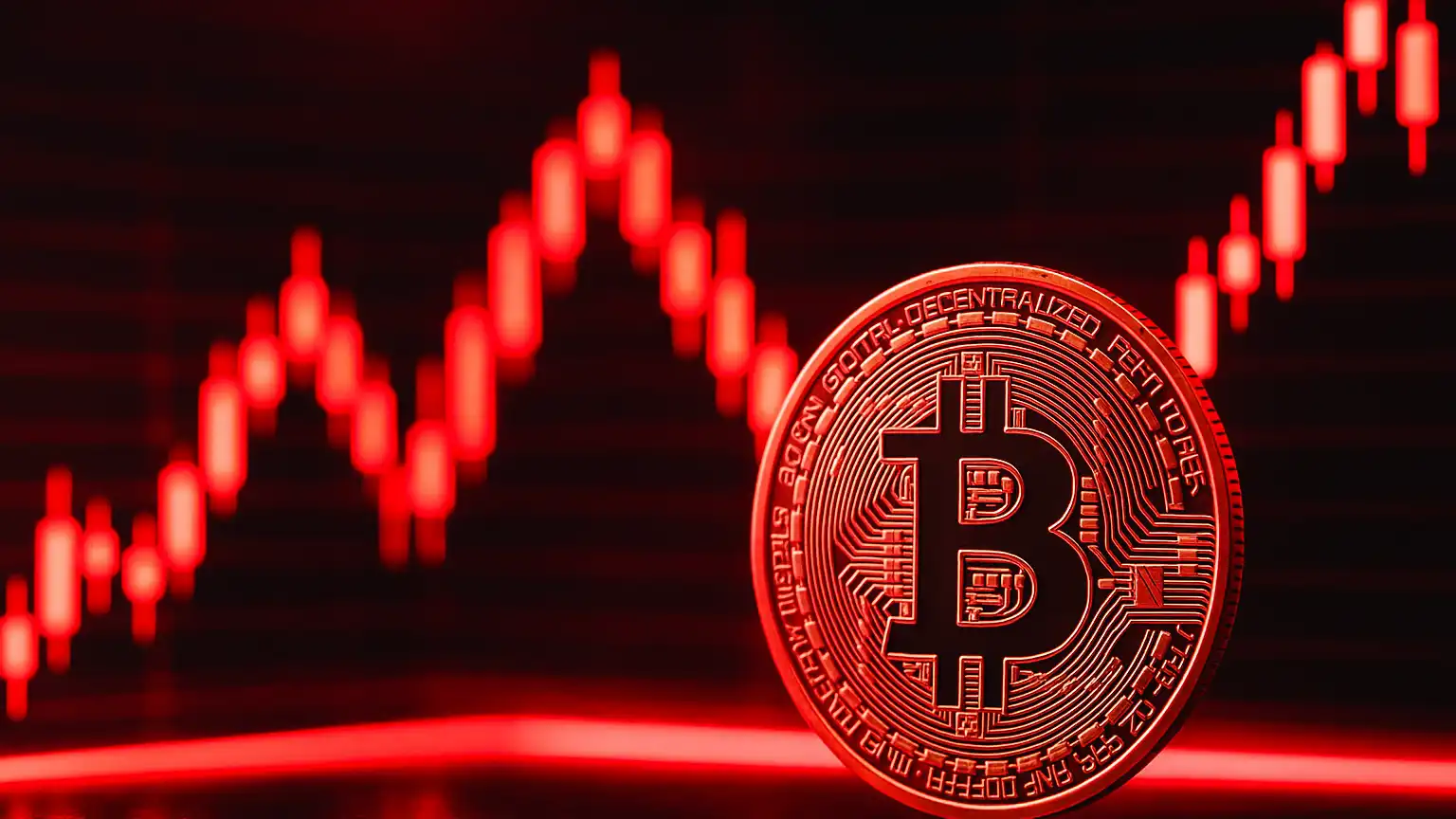
Bitcoin, the flagship cryptocurrency, experienced a dramatic price swing in early February. On February 5, it plummeted below $64,000, marking a decline of over 13% in a single day. This sharp drop was accompanied by over $1 billion in leveraged positions being liquidated, highlighting the risks associated with high leverage in volatile markets. The rapid downturn tested the confidence of both institutional and retail investors, many of whom had entered the market during its previous bullish phase.
However, the market demonstrated remarkable resilience. By February 6, Bitcoin had rebounded to reclaim the $70,000 level, showcasing the asset’s ability to recover swiftly from significant losses. This “V-shaped” recovery was mirrored in the performance of crypto-related stocks, with companies like Robinhood and Coinbase experiencing substantial gains. Such rapid rebounds suggest that, despite periods of intense volatility, there remains a strong underlying demand for Bitcoin and related assets.
Ethereum and Altcoins: Correlation and Divergence
Ethereum, the second-largest cryptocurrency by market capitalization, did not escape the market’s volatility. Its price fell below the psychological $2,000 mark, trading around $1,800 and losing approximately 20% over the past week. Since the beginning of the year, Ethereum has declined nearly 40%, reflecting broader market trends. Despite these price movements, Ethereum’s fundamental indicators remain robust. The network continues to serve as the backbone for decentralized finance (DeFi), non-fungible tokens (NFTs), and various blockchain applications, having successfully transitioned to a Proof-of-Stake mechanism.
Altcoins, including Solana and Cardano, also faced significant price corrections. Solana, for instance, dropped from its all-time high of $294 to approximately $68. Despite these declines, many of these projects maintain strong developer activity and on-chain metrics, suggesting that their long-term prospects remain intact. Investors should consider these fundamentals when evaluating altcoins, rather than focusing solely on short-term price movements.
Market Liquidations and the Impact on Investor Sentiment
The cryptocurrency derivatives market saw over $2.56 billion in liquidations on February 1, 2026, the highest single-day total since the October 2025 crash. This wave of liquidations was driven by a combination of macroeconomic headwinds, institutional outflows, and forced closures of margin positions. Such events can exacerbate market volatility and erode investor confidence, particularly among those new to the crypto space.
However, seasoned investors recognize that such liquidations, while painful, can also present buying opportunities. The key is to maintain a long-term perspective and avoid making decisions based solely on short-term market movements. Diversification, proper risk management, and a thorough understanding of the assets in one’s portfolio are essential strategies for navigating the inherent volatility of the cryptocurrency market.
Regulatory Developments and Institutional Involvement
Regulatory clarity has been a significant factor influencing the cryptocurrency market. The U.S. Securities and Exchange Commission’s implementation of generic listing standards for commodity-based and crypto exchange-traded products in September 2025 removed a major barrier to institutional participation. This framework has enabled the introduction of spot ETFs for tokens like Solana and XRP, with persistent inflows observed in early 2026.
Institutional investors have also signaled confidence in Bitcoin as a strategic reserve asset. For instance, a firm executed a $1.2 billion purchase of 13,600 BTC, reflecting a shift from speculative trading to long-term balance-sheet diversification. Such moves suggest that, despite short-term volatility, institutional interest in cryptocurrencies remains strong, potentially providing a stabilizing force for the market.
Conclusion
The events of February 2026 serve as a stark reminder of the volatility inherent in the cryptocurrency market. While rapid price swings and significant liquidations can be unsettling, they also highlight the market’s resilience and the opportunities available for informed investors. By focusing on fundamental indicators, maintaining a long-term perspective, and staying informed about regulatory developments, investors can navigate the crypto rollercoaster with greater confidence and strategic insight.